

Manga and anime have been integral parts of Japanese popular culture for many decades. Hugely popular within Japan, they are also among the country’s most successful global cultural exports. Although closely linked, manga and anime are distinct forms: manga refers to Japanese comic books or graphic novels, while anime is animated film or television. Unsurprisingly, many of the most successful manga series have later been adapted into anime.
If your familiarity with this aspect of Japanese culture doesn’t extend much beyond Pokemon, here’s a brief overview of what it all means.
A Short History of Manga and Anime
Unlike many western comics and animated films, manga and anime have traditionally been created for audiences of all ages, not just children. They span a wide variety of genres, including action, romance, horror, fantasy, and science fiction. The roots of these art-forms can be traced back to around the 11th or 12th centuries, in early illustrated scrolls (emakimono) and shadow puppetry (kage-e). Modern manga is generally considered to have emerged in the late 19th and early 20th centuries, with Kitazawa Rakuten often regarded as a founding figure. His work was frequently satirical and political, helping to establish manga as a medium for commentary as well as entertainment.
Manga and anime began to gain widespread popularity in Japan during the early 1960s. A key figure was the artist and animator Osamu Tezuka, often called the “god of manga”. His creation Astro Boy (Tetsuwan Atom) became one of Japan’s first major television anime series and later found success overseas, including in the United States. By the 1980s, manga – known for its expressive, wide-eyed characters and distinct visual style – was gaining international recognition and being translated into many languages. Around the same time, anime films were also reaching wider audiences. In 1985, Studio Ghibli was founded in Tokyo and released its first feature film, Castle in the Sky, the following year. The studio has since produced some of the most acclaimed anime films of all time, including Spirited Away (2001) and Howl’s Moving Castle (2004).
Popular Manga and Anime Titles
There are thousands of popular manga and anime titles that have emerged over the past few decades, with many enjoying global recognition. According to a 2024 survey carried out by various organizations including Japan’s Agency for Cultural Affairs, the most popular titles loved by international visitors to the country include:
- Demon Slayer: Kimetsu no Yaiba – manga series that began in 2016, adapted into an anime TV series in 2019, it follows a teenager who becomes a demon slayer after his family is slaughtered and his younger sister is turned into a demon.
- Attack on Titan (Shingeki no Kyojin) – another manga series turned into an anime TV series a few years later, it’s set in a dystopian futuristic world where civilization has been walled-in to protect them from human-eating giant beasts.
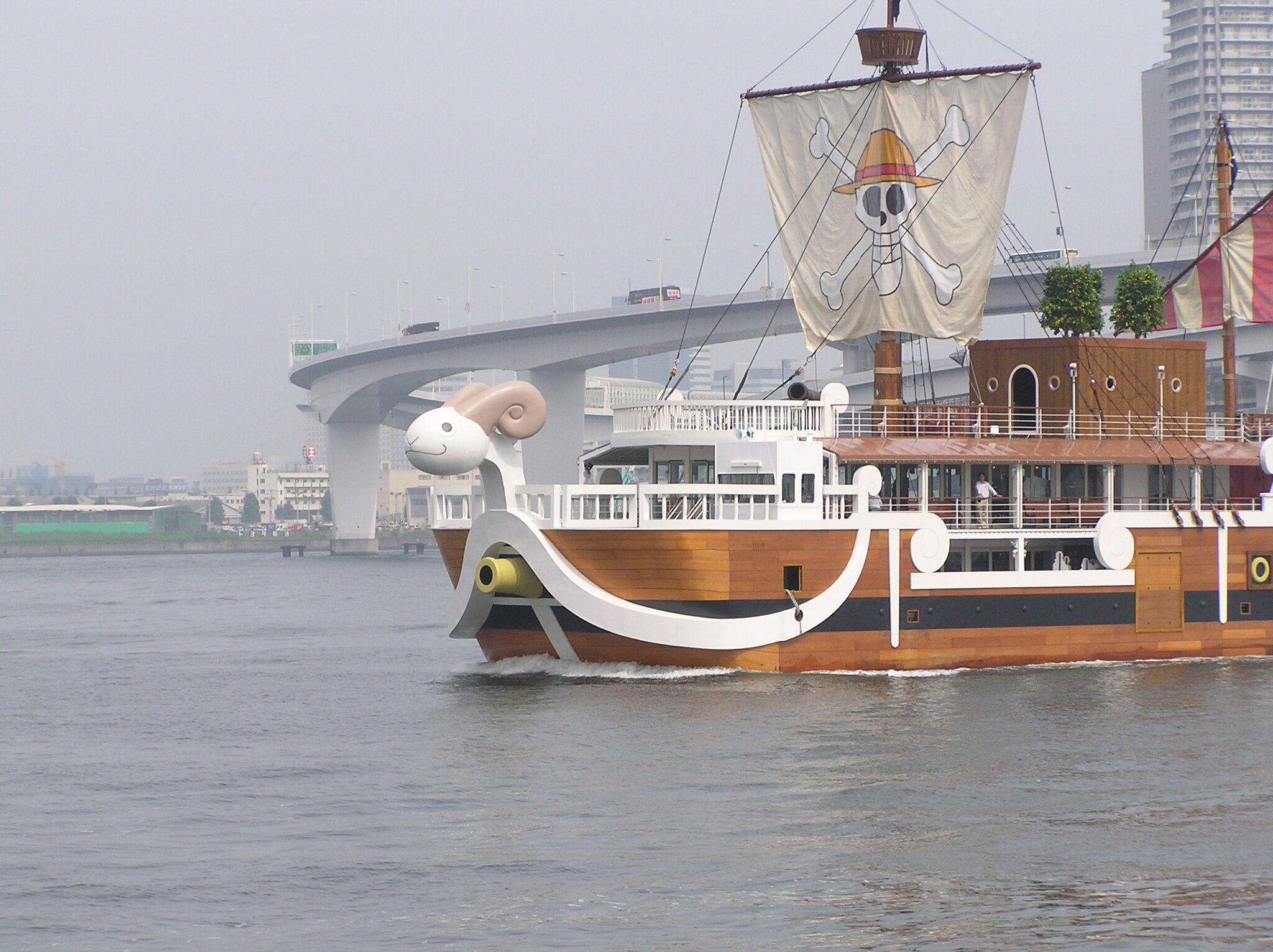
- One Piece – a pirate adventure series that has been running in both manga and anime formats since the late 1990s, this is one of the most successful global franchises of the genre.
- Jujutsu Kaisen – translating as ‘Sorcery Battle’, this is one of the all-time best-selling manga series despite only running since 2018. It focuses on a high school student who joins a secret society of jujutsu sorcerers to eliminate a powerful curse. An anime TV adaptation began in 2020.


