Tokyo has become one of the best cities in the world for board‑game enthusiasts, thanks to a thriving mix of cafés, specialty shops, and international communities. In areas like Jimbocho, Shibuya, and Akihabara, you can find dedicated spaces where newcomers and experienced players meet, socialize, and explore tabletop gaming together. For example, Asobi Café in Jimbocho offers more than 750 games from around the world and welcomes players of all experience levels, even providing rule explanations from staff to help beginners learn smoothly. This inclusive approach has helped transform board gaming into a comfortable social activity for locals and tourists alike.
Where to Play
Tokyo’s board‑game cafés range from casual hangouts to specialized language‑exchange hubs. JELLY JELLY CAFE, one of Japan’s largest board‑game café chains, invites players to enjoy games regardless of experience and provides a massive selection designed to appeal to both casual and hardcore gamers. They even maintain resources to help non‑Japanese speakers find language‑independent games, making the gaming scene accessible to international visitors. Another standout venue is DyCE Global Board Game Café in Shibuya and Akihabara, which combines board gaming with language exchange events and carries more than 300 games in multiple languages. DyCE also hosts regular community gatherings for solo visitors, newcomers, and multilingual players.
How to Join Games in Tokyo—even if You Don’t Speak Japanese
One of the most noteworthy aspects of Tokyo’s board‑game scene is how welcoming it is to people who don’t speak Japanese. Many cafés provide simple rule explanations, English‑friendly game selections, or multilingual staff. JELLY JELLY CAFE, for example, curates a searchable database tagging which games are “language‑independent,” making it easy to participate regardless of your proficiency level. Community events at places like DyCE offer structured meetups where visitors can join tables, meet locals, and enjoy gaming without worrying about language barriers. These inclusive options make Tokyo one of the most accessible cities for board‑game lovers worldwide.
Japanese Board‑Game Culture
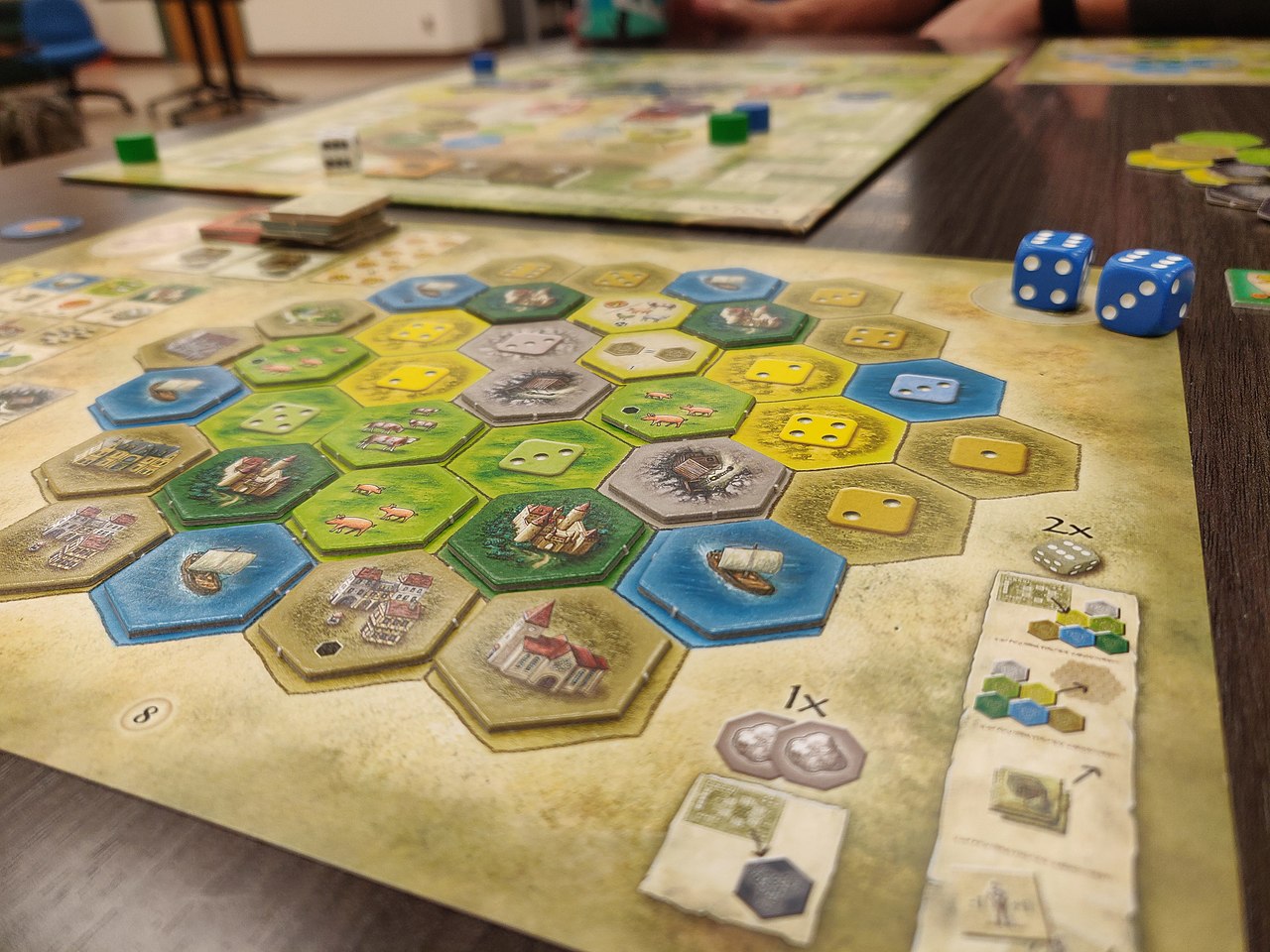
Japan’s board‑game culture blends international titles like Catan with original Japanese creations and indie “doujin” board games. Many cafés encourage players to experiment with new mechanics, negotiate, socialize, or simply enjoy the creativity of modern tabletop games. Asobi Café highlights how Japanese gamers discover new hobbies through exposure to global classics—its manager describes becoming hooked after first experiencing Catan and discovering the deeper strategic and social elements of tabletop play. The community-driven spirit, combined with Tokyo’s dense network of cafés and multilingual resources, continues to strengthen Japan’s board‑game culture, making it a vibrant and welcoming scene for anyone eager to roll dice, strategize, or meet new friends.
Mshuang2, CC BY-SA 1.0, via Wikimedia Commons