As a fairly large country comprised of over 3,000 islands, temperatures and weather conditions vary significantly across Japan. Nonetheless, the four distinct seasons share the same characteristics across the country. Plus, the climate is moderate most of the time, which means you’ll never be baking or freezing.
Spring (March to May)
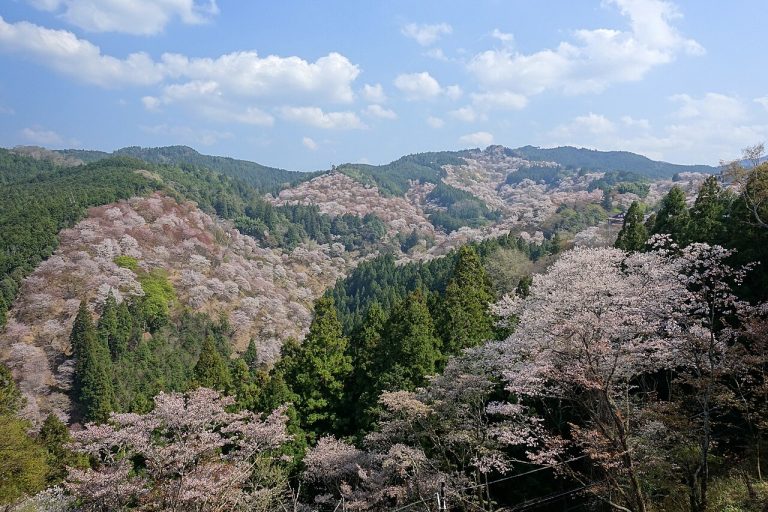
Spring is a particularly pleasant time in Japan. The weather is sometimes a bite unpredictable, with both cool and warm spells. However, temperatures are, on average, mild and comfortable. People often hold parties outside to enjoy cherry blossoms in parks with friends and family. Although the blossoms only last between seven and 10 days, they are a highlight of the year for many people.
Summer (June to August)
In early summer, the rainy season may occasionally ruin your outdoor plans. The month of June is particularly wet, characterized by clouds, increasingly humid days, and frequent heavy rainfall. Soon after the rainy season, which lasts between three and six weeks, summer begins in earnest with temperatures and humidity increasing almost daily — temperatures routinely reach over 30ºC (86°F) by August.
Autumn (September to November)
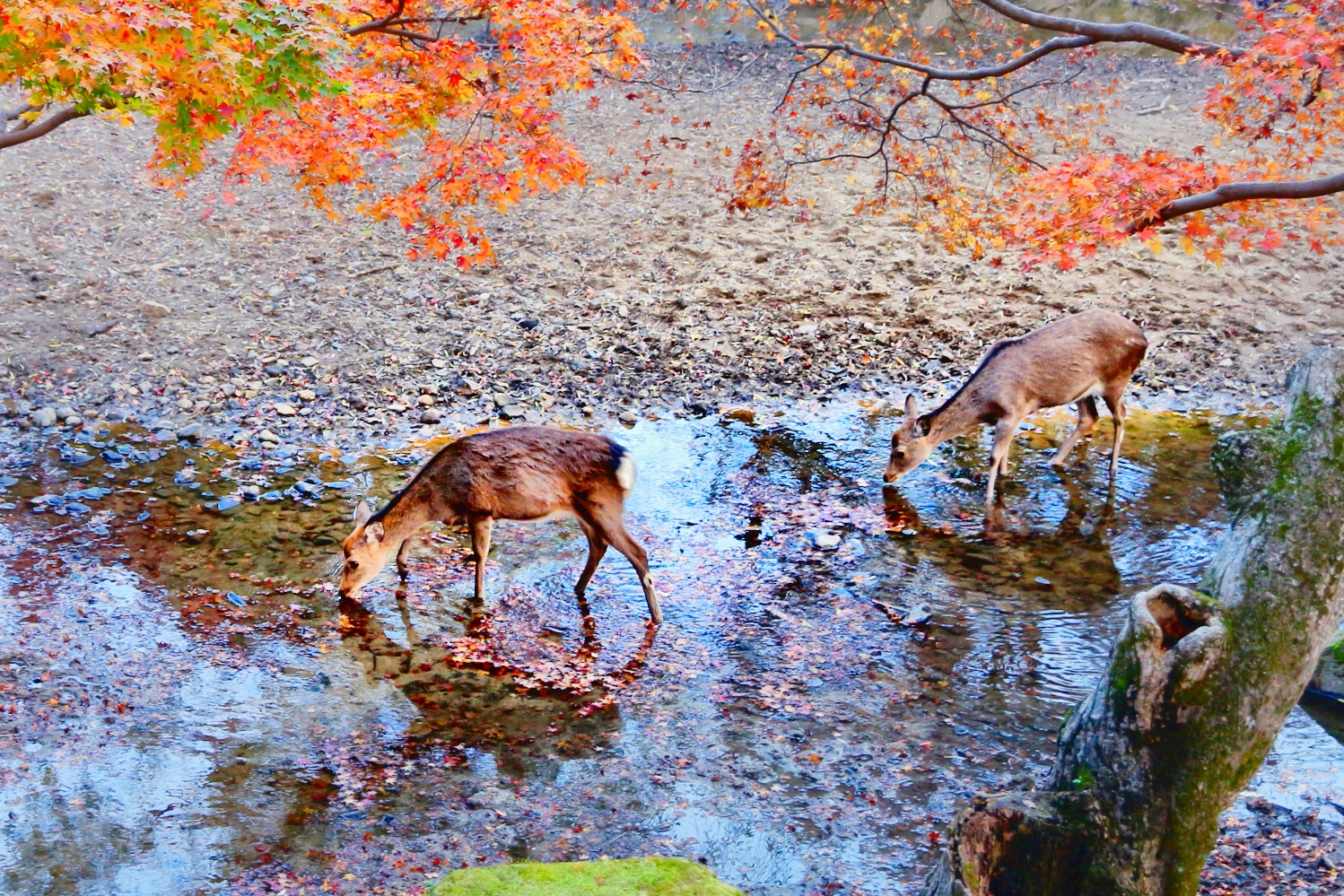
The heat and humidity of summer eases in the fall, but September marks the beginning of typhoon season and is a wet month. Typhoons usually lose most of their ferocity by the time they reach Tokyo, resulting in only two or three days of heavy rain and strong winds. Even when typhoons miss, though, cities are affected by high winds and rain from the passing storms.
Despite the typhoons, fall temperatures throughout Japan are pleasant and comfortable. Even as temperatures begin to drop in late November, you’ll only need a light jacket.
Winter (December to February)
Japanese winters are generally mild. On the mainland, temperatures rarely drop below freezing, even at night. The first part of winter is characterized by fine, crisp days that become increasingly wintry during January and February. Heavy snow is unusual, with snowfall seen only a few times a year. However, you may experience ibuki oroshi: cold breezes coming from the mountains.
Bear in mind that mountainous areas have significantly colder temperatures and snowfall than lower elevations. Trains coming or going from those areas are frequently late or stopped due to snow.
Average Climate Data (Tokyo, Nagoya, Osaka) – 2026
Tokyo Data
| Tokyo | Average High | Average Low |
| Jan | 11.8 C / 53.2 F | 2.9 C / 37.2 F |
| Feb | 12.5 C / 54.5 F | 4.1 C / 39.4 F |
| Mar | 14.8 C / 58.6 F | 5.1 C / 41.2 F |
| Apr | 21.8 C / 71.2 F | 13.1 C / 55.6 F |
| May | 24.8 C / 76.6 F | 15.6 C / 60.0 F |
| Jun | 27.7 C / 81.9 F | 19.3 C / 66.7 F |
| Jul | 33.5 C / 92.3 F | 25.0 C / 77.0 F |
| Aug | 33.6 C / 92.5 F | 25.7 C / 78.3 F |
| Sep | 30.9 C / 87.6 F | 23.5 C / 74.3 F |
| Oct | 24.5 C / 76.1 F | 17.4 C / 63.3 F |
| Nov | 17.8 C / 64.0 F | 10.2 C / 50.4 F |
| Dec | 13.2 C / 55.8 F | 3.8 C / 38.9 F |
Nagoya Data
| Nagoya | Average High | Average Low |
| Jan | 10.7 C / 51.3 F | 2.0 C / 35.6 F |
| Feb | 13.0 C / 55.4 F | 4.4 C / 39.9 F |
| Mar | 14.0 C / 57.2 F | 4.6 C / 40.3 F |
| Apr | 22.6 C / 72.7 F | 13.3 C / 55.9 F |
| May | 24.9 C / 76.8 F | 15.2 C / 59.4 F |
| Jun | 28.8 C / 83.8 F | 19.9 C / 67.8 F |
| Jul | 34.3 C / 93.7 F | 25.7 C / 78.3 F |
| Aug | 35.8 C / 96.4 F | 26.5 C / 79.7 F |
| Sep | 33.2 C / 91.8 F | 24.8 C / 76.6 F |
| Oct | 26.2 C / 79.2 F | 18.0 C / 64.4 F |
| Nov | 18.9 C / 66.0 F | 11.0 C / 51.8 F |
| Dec | 11.7 C / 53.1 F | 3.5 C / 38.3 F |
Osaka Data
| Osaka | Average high | Average low |
| Jan | 10.8 C / 51.4 F | 3.6 C / 38.5 F |
| Feb | 12.3 C / 54.1 F | 5.2 C / 41.4 F |
| Mar | 13.5 C / 56.3 F | 6.0 C / 42.8 F |
| Apr | 22.6 C / 72.7 F | 13.9 C / 57.0 F |
| May | 24.4 C / 75.9 F | 15.1 C / 59.2 F |
| Jun | 28.7 C / 83.7 F | 20.2 C / 68.4 F |
| Jul | 33.5 C / 92.3 F | 26.8 C / 80.2 F |
| Aug | 35.4 C / 95.7 F | 26.9 C / 80.4 F |
| Sep | 33.0 C / 91.4 F | 25.5 C / 77.9 F |
| Oct | 26.4 C / 79.5 F | 18.8 C / 65.8 F |
| Nov | 19.2 C / 66.6 F | 11.8 C / 53.2 F |
| Dec | 12.4 C / 54.3 F | 5.6 C / 42.1 F |
Marek Slusarczyk, CC BY 3.0, via Wikimedia Commons