

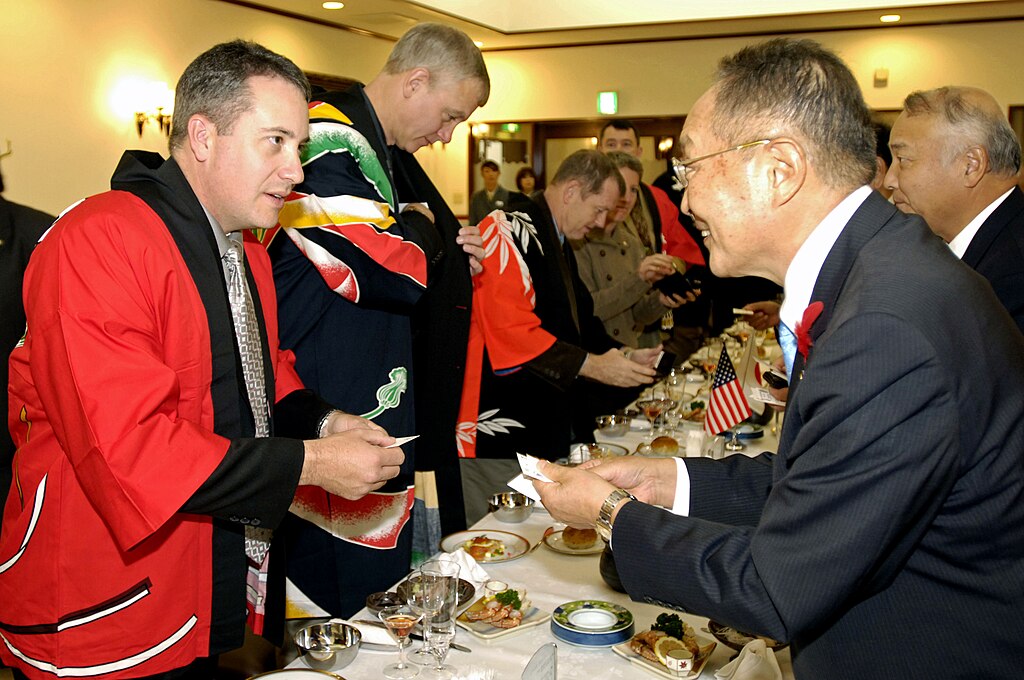
Japan is a highly-structured and traditional society that places great importance on politeness and process. Many interactions in Japan are governed by socially-agreed-upon “best practices” — and following these standardized formats is the best way to get by in Japan. A failure to follow basic Japanese etiquette is one reason why many Japanese people find dealing with foreigners daunting or difficult.
In short, Japanese people never know what a foreigner is going to do, which adds stress to interactions. It takes a lifetime to master the nearly limitless “best practices” that govern social and professional interactions. Most Japanese people know this, and will give you the benefit of the doubt, but learning the “right way” to do things will make things much smoother for you and them. Simply attempting to do your best will usually garner a lot of goodwill.
Here are a few basics of etiquette in Japan to get you started!
Tipping
Tipping is not a part of the culture in Japan. There is absolutely no expectation from waiters, taxi drivers, hotel porters, etc. that customers will give tips. In fact, attempting to give a tip will most likely lead to embarrassment on the part of the recipient, as well as refusal to accept. In general, Japanese people — no matter their profession — take great pride in what they do and do not expect an additional reward from customers.
Addressing People as “Yamada San”
It is not usual to use first names other than with good friends. Japanese people will ordinarily address colleagues, and sometimes even their friends, by their family names. Unless you are talking to a family member or very close friend, you will need to add ‘san’ when you address someone e.g. Suzuki-san. Adding san is a form of showing respect, and it is considered rude to call somebody by their family name without doing so.
If you are dealing with a Japanese person who speaks English, it is possible that he/she will introduce him/herself using their given name rather than the family name, in which case you can call him/her by their first name without adding san. Note that it is incorrect to refer to yourself as san.
Business
While business etiquette is much more rigid in Japan than other countries, following a few simple rules will help you set the proper tone and demonstrate your respect for the culture. A foreigner attending a Japanese business meeting should be dressed in correct formal attire (usually a business suit and tie for a man) and should have business cards ready to exchange — these are still in wide use in Japan. A double-sided Japanese and English card particularly shows your understanding of the culture.
When first meeting a business associate, you should stand, incline your head in a slight bow, and hold your name card with both hands with the written information facing the recipient. You should receive an associate’s name card in the same manner, being careful to look over the card and place it on the table in front of you during the meeting. You may put the business cards that you received away at the meeting’s conclusion, though it is considered rude to place them in back pockets where they may be sat upon.
Eating and Drinking
Generally, there is less visible dining etiquette in Japanese culture than in western countries. For example, it is perfectly acceptable in Japan to make slurping noises when eating. There are, however, some subtle rules of etiquette to be aware of. For instance, it is common to share several dishes rather than order one portion exclusively for yourself. When taking food from shared dishes with chopsticks, it is polite to turn your chopsticks around so that the part that has been in your mouth does not come into contact with the food in the dish.
It’s also common to share the menu itself, with only one copy provided per table. Japanese hosts will immediately turn the menu around — to allow everyone else at the table to see — before considering anything themselves. Another “rule” to be aware of is that you should not stand chopsticks in food, especially rice, as this reflects a common Japanese funeral practice. You should therefore lay your chopsticks across the rim of a dish or bowl when you wish to put them down or make use of a chopstick rest, if there is one available.
The Toast: “Kanpai!”
When drinking with friends, colleagues, or business associates, you should not begin drinking before there has been a toast of “Kanpai!” If there are bottles of beer or flasks of sake on the table, it is poor form to fill your own glass — the other attendees will be actively monitoring the glasses of people around them and will fill them if they notice that they are close to empty. Although this may be a difficult thing to attune yourself to at first, successfully doing so will greatly impress those around you.
Drawing the Line Between Inside and Outside
The border between indoors and outdoors is called genkan. This is an entrance area where people must remove their outdoor shoes and change into indoor slippers. You’ll find genkan in homes and ryokan as well as in some historical buildings like temples and castles and even in some restaurants. It will be obvious where to change your shoes because the indoor area is elevated. In addition, the flooring is often different.
Traveling by Train
It’s likely you’ll spend quite a bit of your time in Japan on trains, as this is one of the most convenient ways to get around and see more of the country. Make sure you don’t bother other passengers by following basic train etiquette. This includes speaking to travel companions quietly while on board and only talking on your phone if you’re on a long-distance train. Make sure you only use one seat — it is considered rude to place your belongings on another seat — and only use a priority seat if you need it.
Walking in the Street
It will certainly be unavoidable to walk in the street in Japan! There are often many pedestrians, which makes following proper etiquette extra important. Most importantly, avoid blocking passageways — tourists often do this, especially when they have luggage and stop to check directions. Also, make sure you walk on the left (like the street traffic) to maintain the flow. Lastly, never eat while walking. This may seem inconvenient, but it is considered bad manners to not sit or, at a minimum, stand out of the way of other pedestrians while you eat.
U.S. Navy photo by Mass Communication Specialist Seaman Kyle D. Gahlau, Public domain, via Wikimedia Commons


,_exchanges_business_cards_with_Muroran_Mayor_Masashi_Shingu_during_a_reception_held_in_the_Japanese_Steel_Works_reception_hall.jpg)