

Japan has been at the forefront of video game innovation for many decades now, with its influence spanning worldwide. Japanese developers have a reputation for developing storytelling with engaging gameplay that connects with audiences both within Japan and internationally.
Within the Japanese market, consoles tend to dominate over PC gaming. According to a 2024 report, Nintendo Switch (NSW) makes up around 70% of all console units sold in Japan. Around 29% are PlayStation units, with Xbox only registering 1% of the market.
Role-playing and fantasy games have proved particularly popular with Japanese players. Here are some of the most popular franchises.
Super Mario
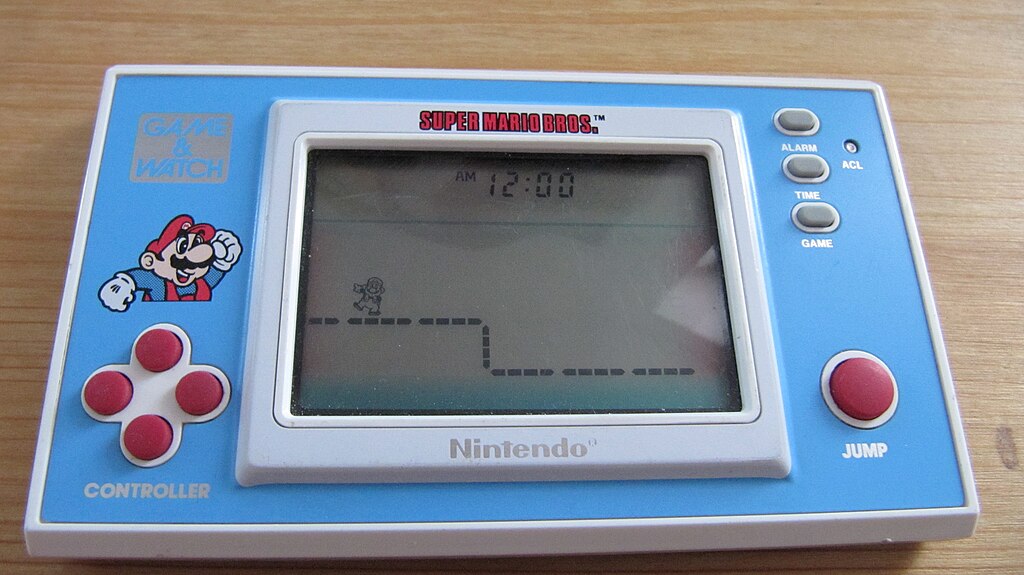
The Super Mario franchise is one of the most influential and best-selling video game series in Japan, serving as a cornerstone of the country’s gaming culture. Created by Shigeru Miyamoto and published by Nintendo, the series began with the 1985 release of Super Mario Bros. Its accessible controls, imaginative level design, and charming characters helped define the platformer genre. Over the decades, Mario titles have consistently topped Japanese sales charts across multiple console generations, from Famicom to Nintendo Switch. The franchise’s blend of innovation and nostalgia appeals to players of all ages, making it a cultural icon in Japan. With mainline adventures, spin-offs, and party games, Mario remains a central figure in the country’s most popular video game franchises.
Dragon Quest
Dragon Quest is often credited with defining the Japanese role-playing game genre. The series debuted in 1986 and quickly became a national phenomenon. Published by Square Enix, the games are known for traditional turn-based combat, heartfelt storytelling, and iconic monster designs such as slime. New mainline entries routinely achieve massive launch sales in Japan, sometimes prompting reports of students and workers taking time off to play. The recent remake of Dragon Quest I & II (HD-2D) was a top-seller in Japan in 2025.
Pokemon
Since the original release in 1996, Pokemon has become a mass cultural phenomenon both in Japan and worldwide. Beginning with the Red and Green series on the Gameboy, it progressed to the enhanced Blue and Yellow editions. Unlike traditional action or fantasy role-playing game (RPG) franchises, Pokemon centers on collecting, training, and trading creatures, encouraging social interaction through link battles and exchanges. Each new generation introduces fresh regions and species while maintaining the core appeal of strategic turn-based battles. The series has extended far beyond games into anime, films, and merchandise across the world.
Animal Crossing
Known for its relaxed pace and everyday charm, Nintendo’s Animal Crossing series originally began back in 2001, inviting players to build a home in a village inhabited by anthropomorphic animal neighbors. Rather than focusing on combat or competition, Animal Crossing emphasizes community, seasonal events, and real-time gameplay tied to the system clock. Animal Crossing: New Horizons, released in 2020, became a massive hit in Japan during the COVID-19 pandemic, drawing a broad audience to interact online during a period of isolation.
Minecraft
If there was a list of video games most popular with younger audiences, Minecraft would definitely feature towards the top of the list. The game offers an open-ended sandbox where players can build, explore, and survive in procedurally generated worlds. Its emphasis on creativity and user-driven projects has made it popular in Japanese schools and online communities, where players share elaborate constructions and tutorials. The Minecraft franchise enjoys strong sales on Nintendo Switch as well as other platforms, while 2025’s “A Minecraft Movie” was a hit in cinemas across the world.
Ciaomao, CC BY-SA 3.0, via Wikimedia Commons


