

Japanese game shows have reached almost legendary status worldwide. While not typically available on overseas channels, they have become a talking point over the decades on international cultural shows, while many of them are available on platforms such as YouTube.
While game shows in the US and Europe often take the form of some kind of knowledge-based quiz test, Japanese shows often focus around physical endurance and comic absurdity. Contestants are frequently pranked or punished for the audience’s amusement.
Here are some of the most popular shows of the format.
Takeshi’s Castle
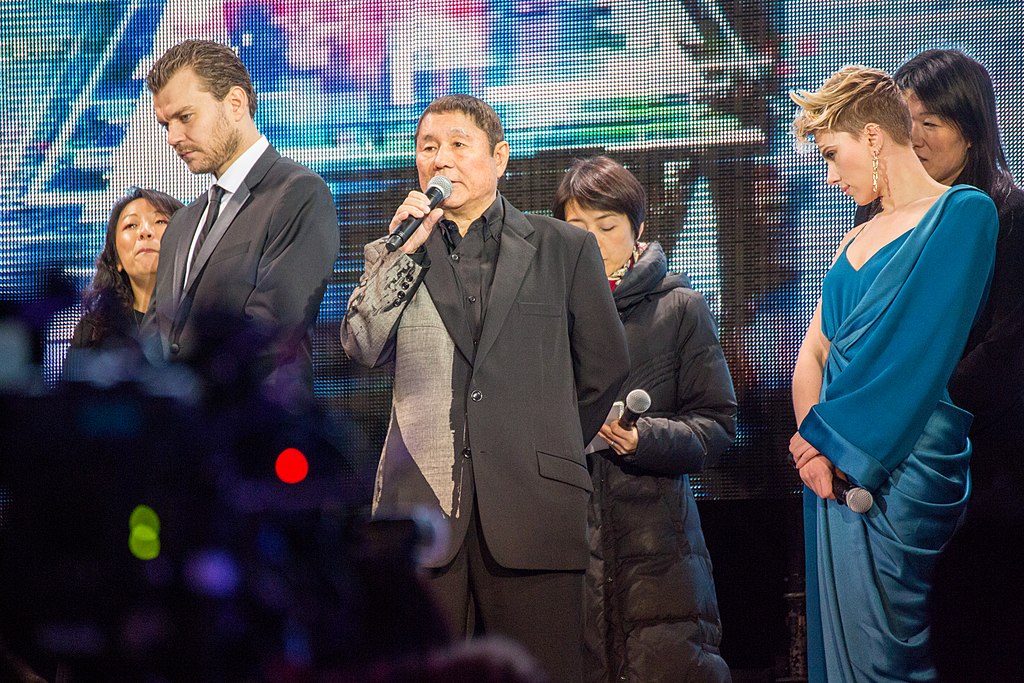
Often referred to as the grandfather of Japanese game shows, Takeshi’s Castle began in 1986 and quickly achieved global recognition. It has inspired various game shows the world over, for example Wipeout. The show was presented by renowned film director Takeshi Kitano and featured multiple contestants (100 or more) battling to overcome a variety of obstacles with the objective of storming the castle and defeating the guards.
The results were highly comic and involved the likes of simulated earthquakes, perilous water crossings, and fake explosions. Contestants were eliminated round by round until there were around 10 left for the final challenge, where there was the potential to win a prize of around 1 million yen.
Dero!
The concept of the “escape room” has become very popular in many countries in recent years. This is the basis for Dero!, which began airing in 2009. Drawing comparisons with the hit movie Saw – although with obvious fake rather than real-life peril – this game show had contestants choosing between a range of “death trap” rooms where they would have to solve puzzles within a time limit, while facing elimination via the likes of quicksand, compressing walls, and rising water.
Ninja Warrior
A popular sports-based game show airing in Japan since 1997, this show is known locally as Sasuke (named after ninja warrior Sarutobi Sasuke). It has been exported to several countries under the name of Ninja Warrior. The show involves around 100 contestants navigating four stages, some of them time-limited where they have to hit a buzzer before the clock runs out. The courses are obstacle courses or challenges of physical or mental endurance, with the final challenge (typically involving between 1-4 survivors) featuring a giant tower that needs to be climbed.
Candy or Not Candy
Another wacky Japanese game show that became popular under other titles overseas is Candy or Not Candy. In this show, which began as a segment on Japanese variety shows around 2014, contestants must guess whether a range of everyday objects are real or made of candy. The clips quickly became popular and mutated into a viral social media craze. Netflix subscribers may recognize the format as Is It Cake?.
Gaki No Tsukai (No Laughing)
This concept originated from the long-running Japanese comedy variety show Downtown no Gaki no Tsukai ya Arahende!!, which began in 1989. In the famous “No Laughing” specials, a group of comedians must endure a 24-hour challenge where they are forbidden from laughing. If they do, they receive an immediate comedic punishment, usually a strike with a foam baton.
Dick Thomas Johnson from Tokyo, Japan, CC BY 2.0, via Wikimedia Commons


.jpg)