

Japan has a rich movie tradition that extends way beyond anime and martial arts flicks. In fact, Japanese cinema has a history of around 100 years and is responsible for several globally recognized classics going back to the 1950s. Here are just a few that regularly feature on critics’ favourite lists.
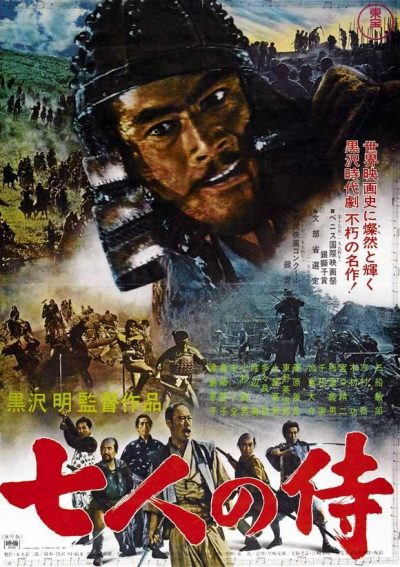
Seven Samurai (1954)
Seven Samurai, directed by Akira Kurosawa, is a landmark of Japanese cinema, running approximately 207 minutes in its original cut. Set in 16th-century Japan, it follows a group of master-less samurai hired by impoverished villagers to defend against bandits, blending intimate character drama with large-scale action. Kurosawa’s dynamic storytelling, innovative editing, and ensemble structure have profoundly influenced global filmmaking, inspiring works from westerns to modern blockbusters. Both an epic adventure and a humanist study of honor and sacrifice, it remains a cornerstone of world cinema.
Shoplifters (2018)
Shoplifters is a quietly devastating portrait of life on society’s margins, widely regarded as one of the defining modern Japanese classics. The film follows a makeshift family surviving in Tokyo through petty theft, whose fragile bonds are tested after they take in a neglected young girl. As their secrets gradually surface, Hirokazu Kore-eda crafts a deeply humane exploration of poverty, belonging, and moral ambiguity. With its understated style and emotional precision, the film exemplifies contemporary Japanese cinema’s global impact while echoing the humanist traditions of earlier masters.
Tokyo Story (1953)
Tokyo Story, directed by Yasujirō Ozu, is often regarded as one of the earliest and greatest classics of Japanese cinema. The film follows an aging couple who travel to Tokyo to visit their grown children, only to find themselves neglected amid the pressures of modern life, while their widowed daughter-in-law offers unexpected kindness. Through its restrained style and deeply human storytelling, the film explores generational change, family duty, and mortality. Its quiet realism and formal precision have had a profound influence on global cinema, shaping filmmakers across decades and cultures.
Spirited Away (2001)
A landmark of anime cinema, Spirited Away is one of Japan’s most internationally celebrated films. It follows young Chihiro, who becomes trapped in a mysterious spirit world after her parents are transformed into pigs, and must navigate a bathhouse of supernatural beings to save them. Blending fantasy, folklore, and coming-of-age storytelling, the film showcases Miyazaki’s imaginative vision and emotional depth. Its global impact was cemented by winning the Academy Award for Best Animated Feature, helping elevate anime to new prominence worldwide.
Sonatine (1993)
Sonatine unfolds with deceptive simplicity: a weary yakuza enforcer is sent to Okinawa to mediate a gang dispute, only to find himself trapped in a cycle of waiting, violence, and existential drift. On the surface, little happens—long stretches of beach-side idleness punctuated by sudden brutality—but this contrast becomes the film’s defining rhythm. Director-star Takeshi Kitano reshaped Japanese crime cinema with his minimalist style, deadpan tone, and abrupt eruptions of violence, influencing a generation of filmmakers. Sonatine stands as a quiet, haunting meditation on fatalism beneath the yakuza genre.
Drive My Car (2021)
Drive My Car is a meditative, emotionally layered drama widely regarded as a modern Japanese classic. Adapted from a short story by Haruki Murakami, the film follows a widowed theatre director who, while staging Uncle Vanya in Hiroshima, forms an unexpected bond with his reserved chauffeur. As rehearsals unfold, buried grief and unspoken truths gradually surface. Director Ryusuke Hamaguchi crafts a quiet yet profound exploration of loss, communication, and art, blending literary introspection with cinematic restraint in a work that has resonated strongly with global audiences.
Copyright © 1954 by en:Toho Studios., Public domain, via Wikimedia Commons


