

Whether you’re nearing the end of your lease or you want to know your options for moving out early, it’s important to be clear about the rules around renewing and terminating housing agreements.
Extending or Renewing a Housing Lease
Renewing a housing lease depends on the individual contract. Having said that, there are two main types of lease in Japan.
Standard Lease
The first type is a two-year agreement, in which the term automatically renews every two years, unless the tenant submits a cancellation notice. The contract simply renews for another two years with no requirements for the tenant and no paperwork. Almost all residential leases are this standard type.
With a standard lease, the landlord may only refuse to renew with just cause. Such circumstances include:
- Severe nonpayment of rent, defined as missed payments for at least three consecutive months
- The tenant has engaged in illegal activity on the property
- Structural problems with the property mean it needs demolishing
- Neighbors have made extreme or repeated complaints about the tenant
- Unavoidable personal circumstances mean the landlord needs to move into the property
In any of these situations, the landlord must inform the tenant in advance and may need to pay compensation to the tenant (except where the tenant has committed a violation).
Fixed-Term Contract
The second type of housing lease contract is a fixed-term contract. Extending an agreement with a fixed term is a bit more involved. Fixed-term contracts have a “hard stop” at the expiration date. When you near the end of the agreement, you’ll need to initiate a renegotiation of the contract to extend it, likely for another fixed term. If you and the landlord agree on new terms, you will need to sign a new housing lease agreement to renew the contract.
Properties with fixed-term contracts often rent at around 10% to 20% below market rates. The downside is there is no guarantee you’ll be able to renew your lease when the contract ends.
Renewal Fees and Rent Increases
In some cases, a renewal may require the tenant to pay a fee, usually between half a month’s rent and one and a half months’ rent. If you will need to pay a fee, the landlord will contact you with a bill. This is the most common scenario in cities like Tokyo and Yokohama, whereas cities like Nagoya and Osaka typically don’t have leases with renewal fees.
If you are renting through a real estate agency, you may also need to pay a renewal administrative fee. Ranging from 5,500 yen to 22,000 yen, this covers paperwork processing at the agency.
Lastly, you’ll most likely need to renew your renter’s insurance. Although it’s called fire insurance, the policy also covers damage or theft of personal belongings, any damage you cause to the property, and accidental water leaks. The typical cost is 15,000 yen to 20,000 yen for two years.
Beyond these fees, you shouldn’t expect to have any additional expenses at renewal time. Rent increases are uncommon in Japan, typically only occurring several years after the original contract. However, you may need to pay more in rent if the landlord has carried out renovations or if property taxes in the area have risen.
Terminating a Housing Lease Agreement in Japan
In general, you can cancel two-year leases at any time with 30 or 60 days’ notice within either the first or subsequent lease term. When the landlord is an individual, one month is more common. Two months is typically necessary when renting from a property management company. There is usually no fee associated with terminating a lease early if you give the proper notice.
If you have a fixed-term lease, you will usually be unable to terminate it early, except if you face unavoidable hardship. Check your contract to confirm the terms.
Changing Tenants Within an Existing Housing Lease Agreement
Companies supporting international employees in Japan may want to roll over a lease agreement signed for an outgoing worker to an incoming expat taking the old employee’s place. This may be possible if the housing lease agreement is signed by the company.
A change of tenant (where the lessee name on the housing lease agreement actually changes) is not permitted, as this would require a whole new housing lease agreement, review, etc. If the housing lease agreement is signed by the company, there are a number of possible scenarios, depending on the details of the contract:
- No restrictions written on the housing lease agreement, hence changing of tenants is not an issue (as long as the property is not used as short-term housing for many tenants)
- No tenant change restriction but notice is required. In this scenario, details (i.e. copy of passport and copy of housing insurance certificate) for the new tenant will be required. While the lessee (the company who signed the lease) will need to provide documentation on the new tenant, no further documentation will be provided by the landlord regarding the change.
- Written consent is required from the lessor to change tenants. After making an application the property management company would approve or reject the tenant using its own internal criteria.
- Tenant changes are not permitted.
Like so much in Japan, every prefecture and region has different rules, requirements, and customs with regard to housing and real estate. In addition, any given contract will have variations. Your real estate agent must point out the type and details of your housing contract, in excruciating detail, when you sign the lease. If you have forgotten the details, refer back to the contract paperwork for clarification.
This basic primer on renewing, ending, or changing a housing lease agreement was brought to you by Japan Home Search.
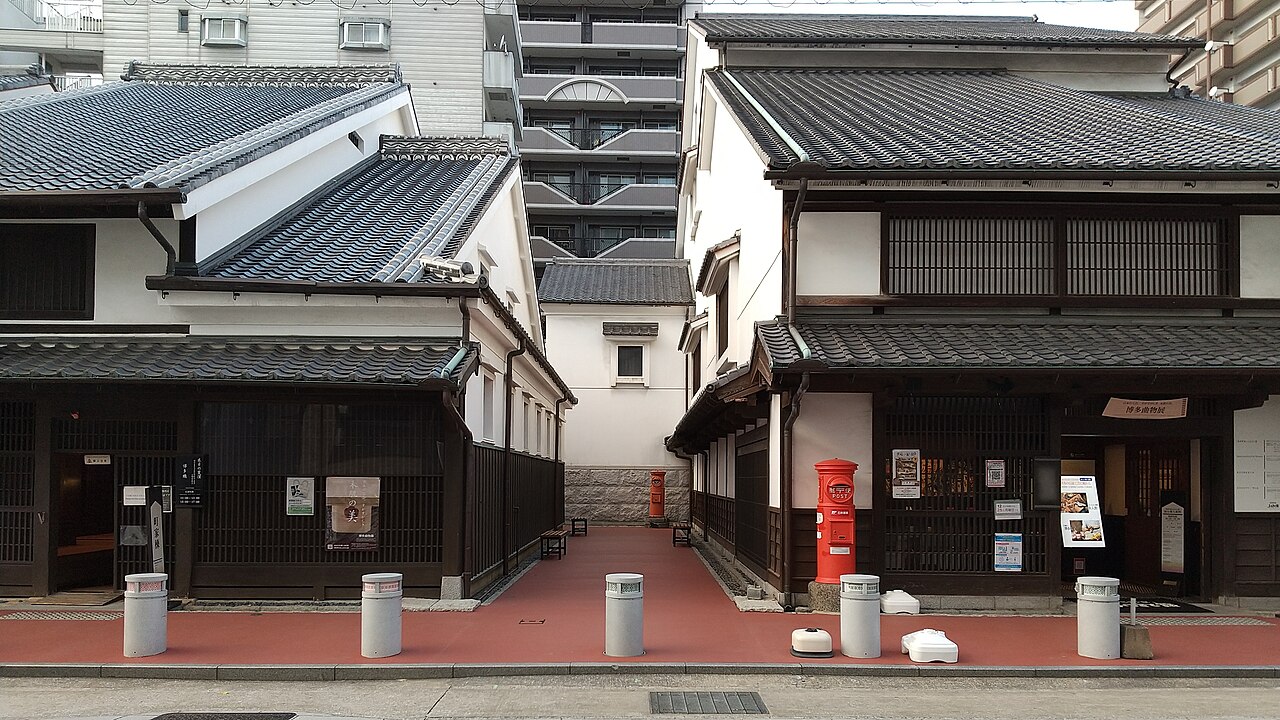
Hirho, CC BY-SA 4.0, via Wikimedia Commons


