

With great natural landscapes, delicious cuisine, and efficient public services, there is much that makes Japan an appealing country to retire to. However, there are also barriers, such as visa requirements and a fairly low number of English speakers.
First and foremost, you’ll need to know that Japan doesn’t have a specific retirement visa. You will usually need to have lived there for at least five years, unless you have significant family ties. If you’ve worked in Japan, you might want to consider applying for citizenship or permanent residency, which will allow you to retire and join the ever-growing community of English-speaking expats that are developing in several major cities.
Here are some of the main considerations for those thinking of retiring to Japan.
Getting a Pension in Japan
Foreigners can get a state pension in Japan, but the qualifying period for a full pension is 40 years of salary contributions. The minimum contributory period is 10 years. Workers in Japan can retire at 65 and get a full pension if they meet the requirements, or choose to retire as early as 60 for a reduced pension.
In addition to the state pension, employees in Japan usually also pay into the Employees Pension Insurance (EPI) scheme.
If you relocate to Japan, you can transfer the state pension from your home country if it has a social security agreement in place with Japan. This usually means that you can count years worked in your home country towards qualifying years in Japan.
Japanese Healthcare for Older People
Japan has a universal insurance-based public healthcare system. If you retire to Japan, your access to public services will usually depend on having contributed during your working life. Those over 75 can access public care through the medical care for senior citizens system. You can also take out private health insurance to access private medical services.
If you are a resident on a low income who hasn’t made sufficient contributions, you may be entitled to healthcare through the Public Assistance Program.
Moving Your Money to Japan
If you have an overseas pension or savings, you will need to decide whether to move your money to a Japanese bank account or keep your money in your home country. You can use foreign bank accounts in Japan, although it can be expensive if you need to access funds and exchange them into JPY. One solution might be to consider a low-cost multicurrency account.
If you become a tax resident in Japan, you will have to pay income tax on your worldwide income at the standard progressive rates. This could have implications if you still earn income or have savings back home, as you will likely be liable for tax there too. However, Japan has a number of double tax agreements with other countries to prevent people being taxed twice on the same income.
Clubs for Expat Seniors in Japan
English-speaking groups and resources in Japan include:
Best Places to Retire to in Japan
- Tokyo – capital city with a vibrant culture and many English-speaking expats
- Kyoto – scenic and historic city known for its gardens, palaces, shrines, and museums
- Nagoya – has a quieter pace of life and more affordable accommodation and living costs than busier cities
- Okinawa – home to beautiful beaches and coral reefs, with milder winter temperatures than much of Japan
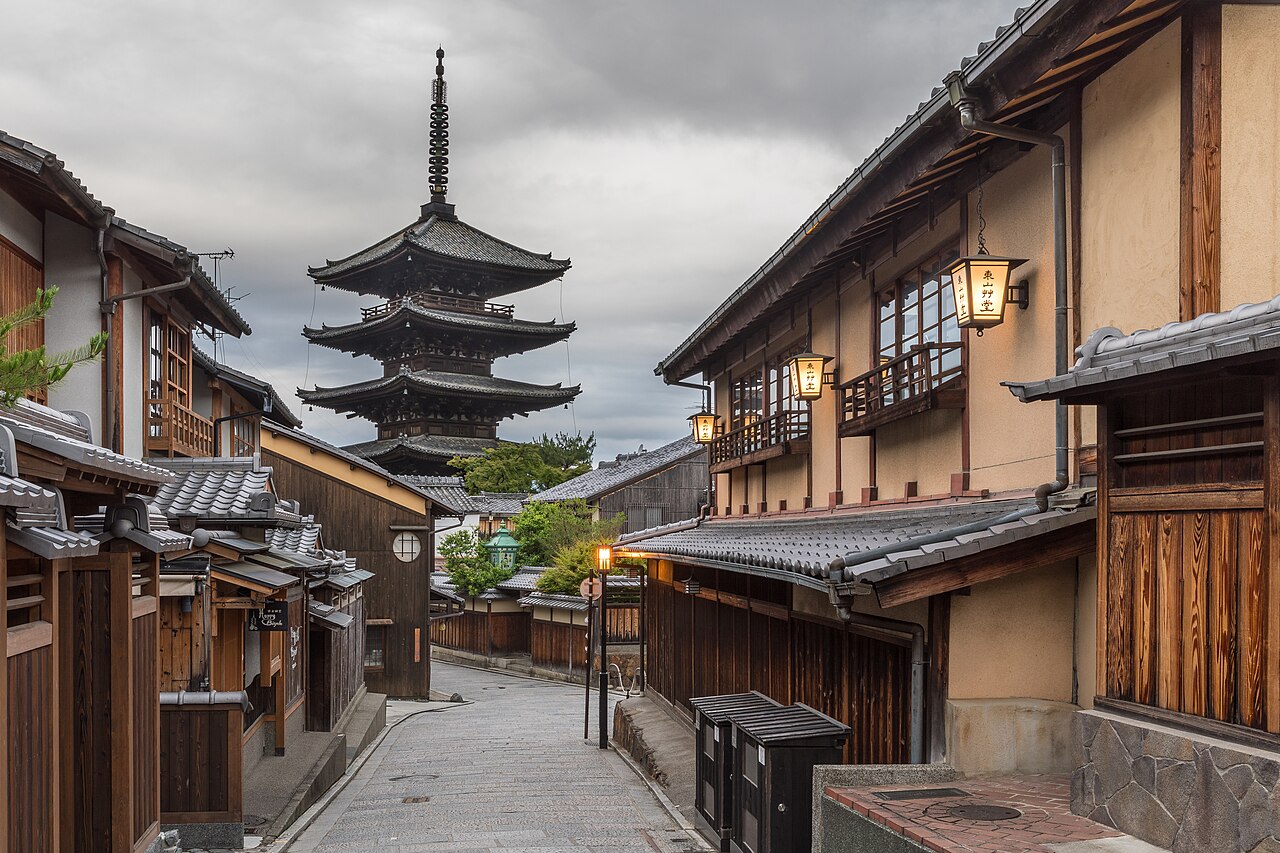
Basile Morin, CC BY-SA 4.0, via Wikimedia Commons


