

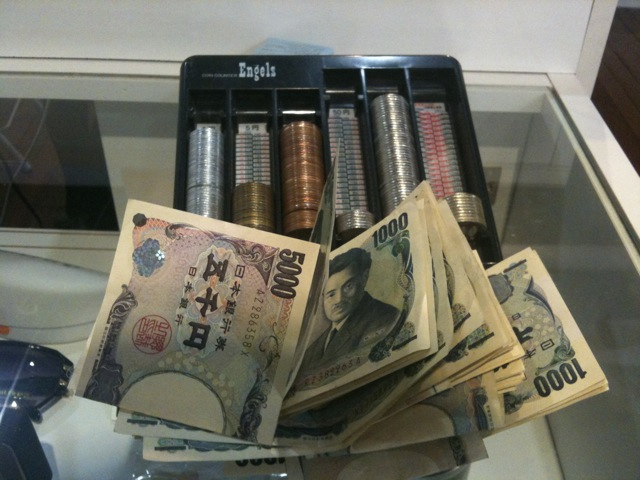
If you’ve moved to Japan with the intention of working, you’ll need to know what to expect in terms of income. Does Japan have a national minimum wage and how do salaries compare with other countries? How much do they vary across regions and industries?
Here’s what to expect when it comes to Japanese pay packets.
Wages and Salaries in Japan
Japan’s salary system is similar to those in many other countries. Most employees will get a monthly salary, usually paid around the 25th of the month. Wages are typically paid directly into Japanese bank accounts, with tax and social security (pensions and health insurance) contributions deducted at the source.
Workers in Japan also often receive bonus payments – either annually or twice-yearly. When you start a job in Japan, your employer should inform you of your regular payday and if/when you will receive any bonuses throughout the year.
Minimum Wage in Japan
Japan doesn’t have a national minimum wage. Instead, each prefecture sets its own minimum wage – although in reality these are usually similar to each other. In 2026, the average minimum wage across the country is 1,121 yen/hour. The highest is in Tokyo (1,226 yen/hour).
Certain industries in Japan may also have their own minimum wages, which may be higher than prefectural/national minimums.
In Japan, minimum wages apply across the board, whether you’re a full-time worker, part-time, a temporary worker or a young person.
Average Salaries in Japan
The majority of employees in Japan earn above the minimum wage. The current average salary across the country is around 4.78 million yen a year (just over US$30,000). Salaries in Japan can vary greatly by industry, skill level, and experience. Some of the top paying jobs are in:
- Management – approx. 7.5 million yen
- Technology/development – 7.15 million yen
- Law – 6.3 million yen
- Banking – 6 million yen
Tokyo is the highest-paying region of Japan, followed by Kanagawa, Chiba, and Saitama.
You can check what kind of salary to expect for different Japanese jobs on websites such as:
Pay in Japan also varies between genders and nationalities. There is still a gender pay gap in Japan, with women’s salaries averaging around 75% to those of men. From 2022, companies with more than 300 employees must disclose their gender pay gap data annually.
Many expats in Japan earn above the national average salary. This is because they are more heavily concentrated in high-wage sectors such as finance, IT, and engineering. In fact, Japanese work visas tend to target high-skill professionals, and some even come with minimum salary requirements.
nakagawaPROOF, CC BY 2.0, via Wikimedia Commons


