

Japan is a country where centuries-old customs exist alongside cutting-edge technology. It has preserved many unique practices that continue to shape everyday life. Here are a few notable aspects to this distinctive culture.
Cuisine
Japanese cuisine is famous for its emphasis on fresh, seasonal ingredients and careful presentation. Meals are often designed to balance flavour, colour, texture, and nutrition, reflecting the idea that food should be enjoyed with both the eyes and the palate.
Rice has been a staple of the Japanese diet for centuries, while seafood plays an important role due to the country’s island geography. Well-known dishes include sushi, sashimi, ramen, tempura, and yakitori, but Japan is also famous for regional specialities that vary from one prefecture to another.
Another distinctive feature is washoku, Japan’s traditional style of cooking, which was recognised by UNESCO as an Intangible Cultural Heritage.
Greetings and Communication
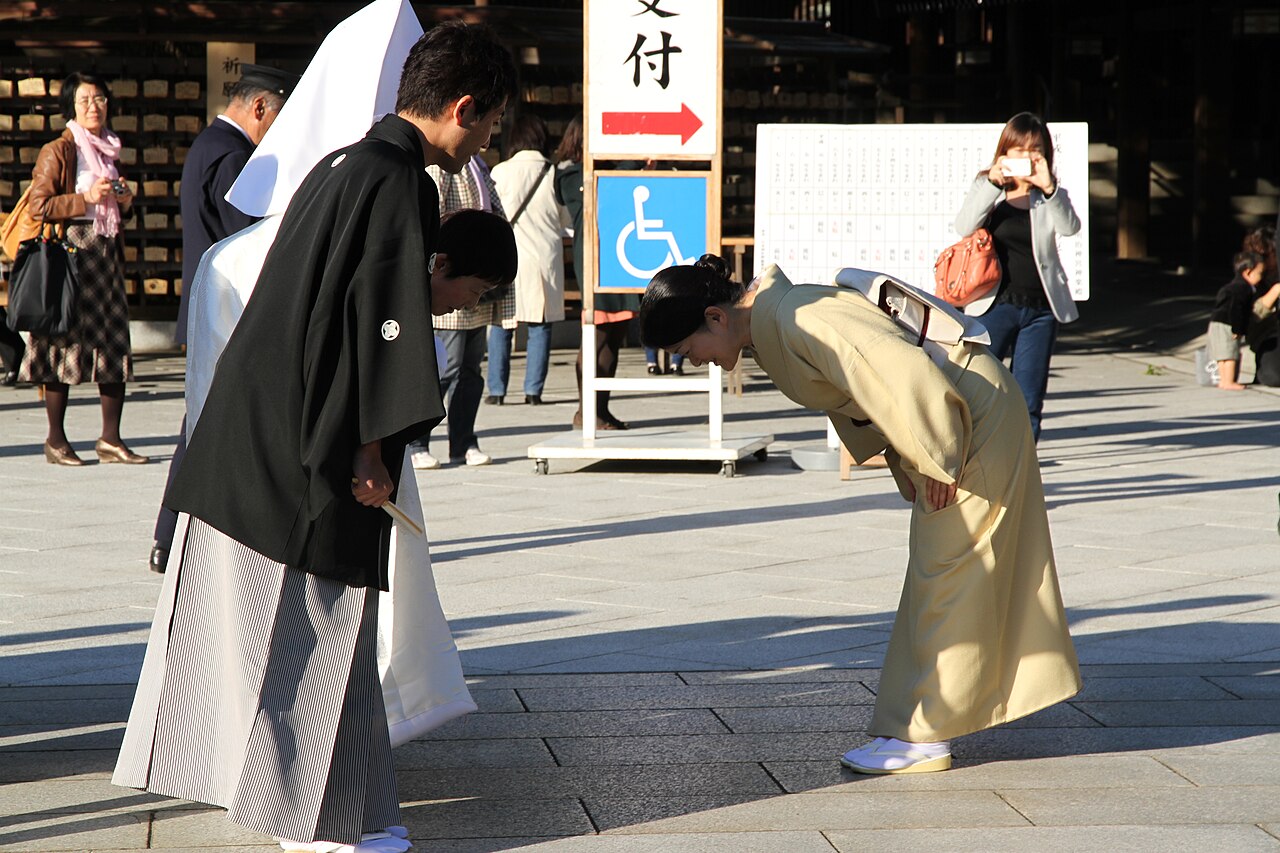
Japanese society places great importance on politeness, respect, and consideration for others. One of the most recognisable customs is bowing, which is used to greet people, express gratitude, apologise, and show respect. The depth and duration of a bow often depend on the situation and the relationship between the people involved.
Communication tends to be indirect compared with many Western cultures. Rather than expressing disagreement openly, people often choose more subtle language to preserve harmony and avoid causing embarrassment.
The concept of omotenashi – wholehearted hospitality without expecting anything in return – is another defining feature of Japanese culture.
Art and Culture
Japan has a remarkably diverse artistic heritage that combines traditional craftsmanship with modern creativity. Classical arts such as calligraphy, flower arranging (ikebana), tea ceremonies, and traditional theatre continue to be practiced and appreciated today.
Traditional performing arts include Noh and Kabuki theatre, both known for elaborate costumes, stylized performances, and centuries of history. Martial arts such as judo, kendo, and karate also reflect cultural values including discipline, respect, and self-improvement.
Modern Japanese culture has become equally influential worldwide. Manga, anime, video games, fashion, and music have attracted global audiences.
Religion
Religion in Japan is unique because many people observe customs from more than one faith without seeing any conflict between them. The country’s two main religions are Shinto and Buddhism, which have existed side by side for centuries.
Shinto is Japan’s indigenous religion and centres on respect for nature and spiritual beings known as kami. Shrines dedicated to these spirits can be found throughout the country, often surrounded by forests or peaceful gardens.
Buddhism, introduced from mainland Asia in the sixth century, has influenced Japanese philosophy, art, and funeral traditions. It is common for families to visit both Shinto shrines and Buddhist temples.
Language
The Japanese language is unlike most European languages in both its grammar and writing system. It uses three different scripts together: hiragana, katakana, and thousands of Chinese characters known as kanji.
Another distinctive feature is the use of different levels of politeness depending on who is being addressed. Vocabulary and grammar change according to age, social status, and the relationship between speakers, reflecting the importance of respect in Japanese society.
Clothing
Japan is well known for the kimono, a traditional robe that remains an important symbol of Japanese culture. While most people wear modern clothing in everyday life, kimonos are still commonly worn for festivals, weddings, tea ceremonies, and Coming of Age celebrations.
Alongside these traditions, Japan is also recognised as a global fashion leader, with districts such as Harajuku becoming famous for innovative street fashion and creative self-expression.
Other Unique Cultural Traditions
Japan’s calendar is filled with colourful festivals, or matsuri, many of which have been celebrated for hundreds of years. These events often feature traditional music, dancing, elaborate floats, and local food, bringing communities together throughout the year.
Another uniquely Japanese experience is visiting an onsen, or natural hot spring bath. Public bathing has long been an important part of Japanese culture, offering relaxation as well as opportunities to appreciate the country’s volcanic landscape. Visitors are expected to follow traditional bathing etiquette, including washing thoroughly before entering the communal baths.
Together, these customs help make Japan one of the world’s most distinctive cultural destinations. Its ability to preserve ancient traditions while embracing modern life continues to fascinate visitors from around the globe.
Maya-Anaïs Yataghène from Paris, France, CC BY 2.0, via Wikimedia Commons


